Garden Clearance in Wanstead

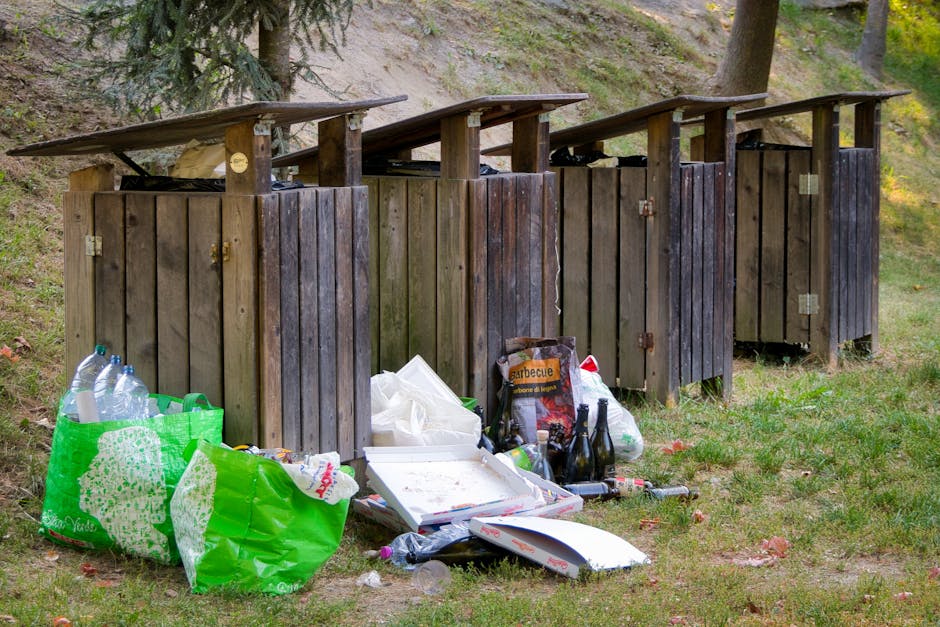
Garden clearance in Wanstead needs a careful, practical approach that removes unwanted outdoor waste without disturbing the parts of the garden you want to keep. We clear brash, cuttings, soil, old planting, broken pots and other general green waste, then separate materials so the load can be handled responsibly. If you are making space for redesign, reducing an overgrown plot or tidying after seasonal work, our service is built around straightforward removal and sensible sorting.
We also deal with mixed garden clutter where outdoor waste sits alongside items such as damaged furniture, plant supports, edging, planters and weathered timber. That makes it easier to restore order in one visit rather than tackling several small piles separately. If you are comparing options, look for a clear scope, a sensible approach to loading and a team that handles the practical side cleanly. Start with a simple description of what needs clearing and the access available.
If you are ready to move forward, request a quotation and share a brief outline of the garden waste you want removed.
Garden Waste Removal for Regular and One-Off Jobs
Our garden waste removal work covers the common materials that build up through pruning, hedge cutting and general maintenance. That can include branches, trimmings, leaves, turf, roots, weeds and small bundles of untreated wood. Where possible, we keep green waste separate from non-organic items so it can be managed with the right disposal route. This is useful when the garden is being refreshed gradually and you want a tidy finish between larger landscaping stages.
Mixed waste often appears after a long period of neglect or when several people have carried out different bits of work over time. In those cases, it helps to clear in a logical sequence rather than treating everything as one large pile. Our team can remove loose materials from borders, paths, sheds and side access areas, then gather any remaining bits that were hidden underneath. That reduces the chance of leaving behind smaller debris that can spoil the finish.
It is also sensible to think about access before the load is collected. Narrow side passages, locked gates, gravel paths and shared entrances can affect how waste is moved, so a clear description of the route helps us plan the work properly. If you have photos or a short list, keep it concise and focused on the main materials. For a cleaner handover, tell us what is staying in place and what needs to go.
H3 Service Options for Outdoor Clearance

There are several useful ways to organise a garden clearance, depending on the condition of the space and the mix of materials involved. Some customers want a quick removal of cuttings after routine pruning, while others need a larger clear-out before repairs, replanting or a new layout. We can work from a defined list or from a walk-through description, and we aim to keep the process orderly so the useful parts of the garden remain undisturbed.
For many jobs, a sensible plan is to separate the work into a few practical categories. These might include green waste, heavier waste, reusable items and anything requiring special handling because it is contaminated with soil or mixed with other debris. A structured approach makes the final result easier to understand and usually avoids confusion over what should be loaded first. It also helps when the garden includes sheds, borders, pots, old compost bags or other scattered materials.
Useful garden clearance often depends on what you want to keep available after the work is done. A cleared lawn edge, open patio or tidy path can change the feel of the whole space, but only if the remaining features are left accessible. We therefore focus on the practical finish: removed waste, reduced clutter and a space that is ready for your next step. If you need help planning that stage, ask for a quotation and describe the areas you want prioritised.
What We Commonly Remove
Garden clearance jobs vary, but the most common removals are cuttings, hedge waste, branches, old planting, weeds, broken containers and general outdoor clutter. Some gardens also contain tired materials from previous projects, such as cracked timber, damaged edging or stacked offcuts left after DIY work. Our approach is to remove what is no longer needed while keeping the rest of the property in order, which is especially useful when the garden is being prepared for fresh work.
In practical terms, a clear-out can involve lifting bulky items from one area, collecting smaller loose debris from another and making sure nothing sharp or heavy is left behind. If the garden contains items that have been out in the weather for some time, they may be awkward to move and can break apart during handling, so care matters. We work methodically and aim to leave paths, gates and working areas as free as possible once the load has gone.
For customers who want to compare services, it helps to check whether the clearance is limited to garden waste or whether mixed outdoor debris can be taken as well. A broader service can be useful after storms, overgrown periods or partial site tidy-ups. If you are looking to clear the space for planting, resurfacing or a simple reset, make the target outcome clear when you enquire.
Preparing for a Garden Clearance
A little preparation can make a garden clearance smoother without asking you to do unnecessary work first. If there are items you want kept, move them away from the main piles where possible. Unlock gates, make sure access routes are clear and note any fragile features such as glass, stepping stones or soft ground. Where the waste is spread through several beds or corners, a short explanation of the layout is often enough to help the team plan sensibly.
The most helpful details are usually the simplest ones: what materials are present, how much space is available for loading and whether any items are especially heavy or awkward. If the garden includes bags, loose soil, fallen branches or a mixture of debris from different jobs, saying so upfront helps reduce delays. Clear information about access and materials also makes it easier to provide a quotation that reflects the real work.
Try to keep the request focused on the actual clearance rather than broad wishes about the garden’s future. If you want the lawn edge opened up, a shed approach cleared or a pile removed from behind a hedge, mention that directly. The more concrete the request, the easier it is to match the service to the job. When you are ready, send a brief description and ask for pricing.
H3 Sorting, Loading and Responsible Handling
Good clearance work is not only about lifting waste away. It also depends on sorting what is being removed so the load can be handled in a practical and responsible way. Green waste, mixed debris and heavier items often need to be separated as the job progresses, especially where the pile includes both fresh cuttings and older materials. That keeps the work organised and makes it easier to manage the different parts of the load.
Loading also matters when the garden contains awkward objects or compressed waste. Dense piles can hide nails, wire, broken terracotta or sharp edges, so methodical handling helps reduce avoidable mess. We aim to work steadily through the available space rather than dragging waste across clean sections of the garden. That is particularly useful in narrow side access areas, where care and planning matter more than speed alone.
Responsible handling is also about deciding what belongs in the clearance in the first place. Some materials look like garden waste but may be better treated separately because they are contaminated, mixed with other rubbish or too bulky for simple bagging. If you are unsure, describe the material and its condition rather than trying to classify everything yourself. That makes the quotation process simpler and helps ensure the job is priced on the right basis.
Garden Clearance for Overgrown and Neglected Spaces

When a garden has been left for a while, the work often becomes less about a single pile and more about restoring shape and access. Overgrown areas may contain hidden waste, tangled growth, collapsed containers and debris that has drifted into borders or tucked behind structures. In these cases, the clearance needs to be done in stages so the full extent of the material can be seen and removed without disturbing anything that is staying.
This kind of work can also reveal items that were not obvious at first glance, such as old timber, broken tools, plant supports and weathered outdoor accessories. A careful clearance brings those pieces into one managed process rather than leaving them to be dealt with later. If the aim is to return the garden to a usable condition before pruning, repairs or replanting, a structured removal plan is usually the best starting point. Keep the focus on what needs clearing, and we can shape the work around that.
For larger or more cluttered spaces, a short description of the current state is often more useful than a long explanation. Mention whether waste is piled, spread out, hidden under growth or mixed with other items, and include any constraints such as steps, tight gates or uneven ground. Then request a quotation and let us match the clearance to the space.
About Wanstead
Wanstead is a district in east London known for its mixture of open green spaces, historic buildings and residential streets that reflect different periods of development. The area sits within the London Borough of Redbridge and is closely associated with Wanstead Park, a large landscape with origins in former aristocratic grounds. The park’s long avenues, lakes and woodland edges create a notable contrast with the denser surrounding streets, and they remain a defining feature of the locality. Wanstead Flats, on the western side of the district, forms part of Epping Forest and offers an extensive open expanse used for recreation, walking and informal sport. Together, these spaces give the place a strong outdoor character that is unusual so close to central London.
Planning the Work Around Your Property
Garden clearance is easier when the work is thought through before the team arrives, especially on properties where access is shared or the waste sits in different parts of the site. A short note about gates, parking, rear access and any fragile sections of the garden can save time on the day. If there are items that should stay in place, identifying them clearly is just as important as describing the waste itself. That way, the clearance can stay focused on the correct materials and areas.
Some customers also prefer to stage the work alongside other outdoor tasks, such as small repairs, pruning or garden preparation. That can be sensible, but the clearance portion still needs clear boundaries so the right materials are removed. We do not need a long explanation to begin with; a few specific details are usually enough to shape the quote. If you have multiple piles, different waste types or items in more than one corner, list them in the order you want them tackled.
Where access is limited, a slower and more deliberate approach may be the best option. Narrow paths, steps and rear gardens can all affect how materials are moved, so the practical route matters as much as the quantity of waste. Good preparation is about clarity, not perfection, and that applies whether the job is a light tidy or a more substantial outdoor clear-out.
H3 Choosing the Right Level of Clearance
Not every garden needs a full reset, and it is often better to choose the level of clearance that matches the condition of the space. A lightly used garden may only need removal of cuttings and a few broken items, while a neglected plot may need a broader clear-out with careful sorting of mixed debris. We can work to either type of brief, but the result is more useful when the requested scope is described plainly.
If you are deciding between a partial tidy and a deeper clearance, think about the next step for the space. A small intervention may be enough before mowing or trimming, whereas a larger job may be needed before landscaping, repairs or replanting. That choice affects how much material is removed, how many different waste types are involved and how long the job is likely to take to complete. The clearer the scope, the easier it is to align the service with your plans.
It can also help to note whether the waste is mostly organic or whether it includes mixed outdoor rubbish as well. That distinction matters because mixed loads often need a different handling approach from pure green waste. When you know the basic profile of the job, you can ask for the most suitable service rather than over- or under-specifying it. Clear scope leads to a clearer quotation and a more practical finish.
Further Help With Outdoor Waste and Related Clearances
Some gardens produce waste that overlaps with other household or property clear-out work. For example, a shed tidy, a garage sweep or a house clearance can generate outdoor items that no longer belong in the garden. Where this happens, the job may be easier to handle if the relevant materials are grouped and described together. That avoids splitting a single practical task into several separate visits when one organised clearance would be more efficient.
We also handle related waste removal where the contents are not limited to pure garden debris. Mixed items can include broken furniture, general clutter or items from a wider property clear-out that have been left outside temporarily. The important point is to describe what is present and what needs removing, rather than trying to force everything into one category. If the space contains both green waste and domestic items, make that clear so the removal can be planned sensibly.
When you are ready to go ahead, use the details you have already gathered and ask for a quotation based on the actual load, access and type of waste. A short, accurate request is usually the best starting point. If you want to take the next step now, request a quotation and give us the basics of the job.