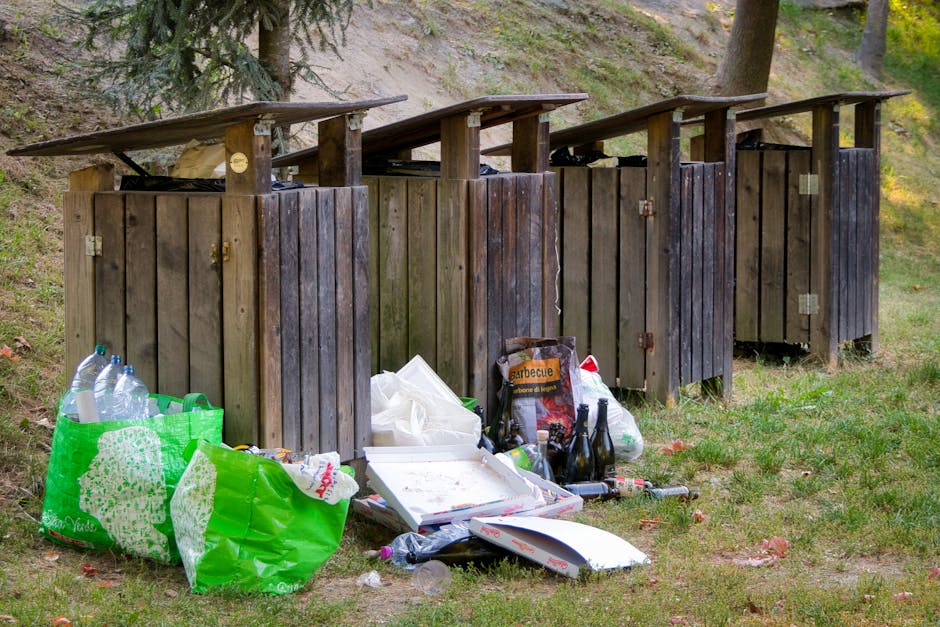
Emergency rubbish clearance in Wanstead common problems
When rubbish suddenly piles up, it rarely happens at a convenient time. A broken sofa is blocking the hall, builder's waste is sitting in the driveway, or a landlord needs a flat cleared before the next tenant arrives. That is usually when people start searching for Emergency rubbish clearance in Wanstead common problems and hoping for a fast, no-fuss answer. Fair enough too. In a place like Wanstead, where homes, flats, gardens and small businesses all run on tight schedules, waste can become a proper headache in a matter of hours.
This guide explains the most common issues, how emergency clearance works, what to expect, and how to avoid the mistakes that make a messy situation worse. It is written for real-world decisions, not just keyword matching. If you need practical clarity, you are in the right place.
Why Emergency rubbish clearance in Wanstead common problems Matters
Emergency rubbish clearance matters because waste problems do not stay small for long. A blocked fire exit, a broken fridge, a flood-damaged sofa, or a garden filled with cuttings after a storm can quickly create safety, access, and hygiene issues. In homes, it can make daily life uncomfortable. In shared buildings, it can cause friction with neighbours or managing agents. In businesses, it can affect customer access and the look of the premises before anyone even steps inside.
Wanstead has a mix of property types, from compact flats to family homes and commercial units, and that variety brings different waste problems. A loft in one house might be full of old furniture and boxes. A garage in another could be jammed with renovation offcuts and damp cardboard. A shop might need same-day removal of broken shelving or packaging. One size does not fit all, and that is exactly why emergency rubbish clearance is more than a convenience service. Sometimes it is the thing that keeps the day moving.
There is also the practical side. The longer rubbish sits around, the more likely it is to attract pests, create trip hazards, or block access for residents and tradespeople. If you have ever tried to carry a washing machine past a narrow pile of waste, you will know how quickly a simple task turns annoying. Or worse.
Expert summary: Emergency clearance is best viewed as a fast-response waste solution for urgent access, safety, and hygiene issues. The aim is not just to remove rubbish, but to remove disruption.
How Emergency rubbish clearance in Wanstead common problems Works
In practical terms, emergency rubbish clearance usually follows a straightforward process. You describe the issue, explain what needs removing, and arrange a time that suits the urgency. The team then assesses access, load size, and any special handling needs before removing the waste and taking it away for sorting, recycling, or disposal.
The details matter. If the rubbish is in a narrow hallway, a basement, a top-floor flat, or a rear garden with limited access, the planning changes. A good clearance approach is less about brute force and more about being prepared. That is especially true where stairs, parking restrictions, or shared entrances are involved. London life, eh?
Most emergency jobs fall into one of these patterns:
- single bulky items that need immediate removal
- mixed household waste left after a move, bereavement, or tenancy change
- builders' rubble and offcuts that are creating obstruction
- garden waste after weather damage or an unexpected cut-back
- office or commercial waste that cannot wait until the next scheduled collection
It is worth separating emergency clearance from regular waste removal. Emergency work is usually driven by time pressure, access problems, or a risk of further disruption. If you are comparing service options, the broader waste removal service can be a useful starting point, while more specific needs may sit better under house clearance, home clearance, flat clearance, or builders waste clearance.
In a well-run job, the crew should also separate reusable or recyclable items from general waste where possible. That is not just nice to have; it helps reduce landfill use and keeps the process cleaner overall.
Key Benefits and Practical Advantages
The first benefit is obvious: speed. When rubbish is causing a blockage, delay is costly. A quick response can restore access to a doorway, clear a path for a plumber or decorator, or make a property presentable again for a viewing or handover.
The second benefit is peace of mind. A pile of waste can feel strangely heavy on your mind. You keep noticing it. You step around it. You worry about whether it will spread, smell, or upset neighbours. Once it is gone, the room breathes again. Simple as that.
Other practical advantages include:
- Reduced risk of injury from sharp edges, unstable stacks, or heavy lifting
- Cleaner access routes for trades, residents, or customers
- Better hygiene where food waste, damp items, or damaged materials are involved
- Less stress during time-sensitive moves such as end-of-tenancy situations
- Improved presentation for landlords, agents, and business owners
- More efficient sorting when recyclables are separated properly
There is a commercial side too. For businesses, a cluttered frontage or blocked service area can look unprofessional and may slow operations. In a small office, for example, broken chairs, old archive boxes, and outdated electronics can quickly swallow working space. That is why services like office clearance and business waste removal can be a better fit than trying to manage everything in-house.
For households, the big advantage is momentum. Once one awkward item goes, the rest of the room tends to follow. People suddenly find the energy to deal with the loft, garage, or spare room. It is a bit odd, but very common.
Who This Is For and When It Makes Sense
Emergency rubbish clearance is not only for extreme situations. It makes sense any time waste is causing a practical problem that cannot wait. You might need it if:
- a landlord needs a property cleared quickly between tenancies
- a tenant has left bulky waste or mixed rubbish behind
- a family has inherited a property that needs urgent sorting
- builders have left debris in a way that blocks access
- a garden has been hit by wind, pruning, or a sudden clear-up deadline
- an office move has created a pile of old furniture and packaging
- a garage or loft is too full to use safely
It also makes sense if you simply do not have the time, vehicle, or lifting capacity to manage the waste yourself. To be fair, many people underestimate the real work involved. The heavy lifting is one thing. The sorting, loading, parking, and disposal rules are another.
And then there is the emotional side. A cluttered room can make you avoid a room. That happens more often than people admit. Emergency clearance can be a practical reset, especially during stressful periods such as bereavement, a move, or post-renovation fatigue. If the waste is connected to a specific property type, a more tailored service such as garage clearance, loft clearance, furniture clearance, or furniture disposal may be more efficient.
Step-by-Step Guidance
If you need a quick and reliable outcome, the process helps more than guesswork. Here is a sensible way to approach it.
- Identify exactly what must go. Make a quick list of bulky items, bags, rubble, garden waste, or mixed materials. If you can, separate obvious recyclables from general rubbish.
- Check access routes. Look at staircases, hallways, parking space, gates, and lift access. A one-minute look now can save a lot of back-and-forth later.
- Photograph the waste. A few clear images help explain the size and type of job. This is especially useful for urgent jobs where time is tight.
- Flag anything unusual. Wet waste, broken glass, sharp metal, paint tins, electrical items, or awkward heavy objects should always be mentioned early.
- Choose the right service level. A small mixed load may be best handled through general waste removal, while a property packed with items may need a broader clearance approach.
- Confirm timing and access. Make sure someone can provide entry, parking details, or instructions on the day.
- Prepare the area if safe to do so. Move pets, clear a small working path, and keep children away from the lift or doorway.
- Review the final space. After the clearance, check corners, cupboards, and outside areas for anything missed.
A small but useful tip: keep one bag or box aside for documents, valuables, or things you do not want touched. It sounds obvious, but in a stressful rush, obvious things become invisible. Happens all the time.
Expert Tips for Better Results
In our experience, the jobs that go smoothly are usually the ones where the customer gives a bit of structure up front. Not a perfect spreadsheet. Just enough detail to avoid surprises.
Here are the habits that make a real difference:
- Be honest about volume. A "small pile" can turn into half a room once you start moving things around.
- Separate hazardous-looking items. Even if they are not formally hazardous, mention anything sharp, leaking, broken, or dusty.
- Think about parking before the team arrives. A few minutes of access planning can save a frustrating delay.
- Keep the route clear. Hallways, stairs, and doorways should be as open as possible.
- Ask about recycling handling. It is reasonable to want items sorted responsibly. A good service should be happy to explain the process.
- Choose a company with clear service information. It helps to know who is handling the job, how they work, and what to expect on arrival. The pages on about the company, health and safety policy, and insurance and safety can give useful reassurance.
One practical reality: the best emergency clearance is rarely dramatic. It is calm, organised, and slightly boring in the best possible way. The rubbish goes. The space improves. Nobody has to make three extra trips. Lovely.
Common Mistakes to Avoid
Emergency jobs can go wrong for surprisingly ordinary reasons. The good news is that most mistakes are easy to avoid once you know them.
- Leaving the call too late. If the rubbish is already blocking access or creating a deadline issue, do not wait until the last minute.
- Underestimating the amount of waste. This often causes time pressure, extra visits, or avoidable disruption.
- Mixing sensitive items with general waste. Keep important papers, keys, sentimental items, and personal records separate.
- Forgetting about stairs or narrow access. A job that looks simple in one room can become awkward the moment a wardrobe needs turning in a hallway.
- Not mentioning special items. Old appliances, sharp metal, wet garden waste, and renovation debris should not be an afterthought.
- Assuming everything can be taken the same way. Different waste types may need different handling, so blanket assumptions can cause delays.
A quieter mistake, but a common one, is expecting emergency clearance to solve a deeper sorting job in one sweep. Sometimes it does. Sometimes you need a second pass for loft contents, paperwork, or items with sentimental value. That is normal, honestly.
Tools, Resources and Recommendations
You do not need specialist equipment to prepare for a clearance, but a few simple things help:
- Strong bin bags or sacks for loose light waste
- Gloves if you are moving sharp or dusty items
- Boxes or crates for sorting papers, small valuables, and reusable items
- Tape or labels to mark items that must stay
- A quick phone camera to document the waste before it is moved
- A clear access plan for gates, keys, parking, and shared entrances
From a service perspective, a few website pages can help you understand the wider picture before booking. If you are comparing costs or want a clearer breakdown, look at pricing and quotes. If sustainability matters to you, the recycling and sustainability page is worth a read. And if you need to understand how bookings, payments, or service terms are handled, the relevant information on payment and security and terms and conditions is useful.
For people dealing with a whole-property clear-out rather than a single urgent pile, service pages such as house clearance and home clearance are often the most practical route.
Law, Compliance, Standards, or Best Practice
Waste clearance is one of those areas where common sense and compliance go hand in hand. You do not need to become a legal expert, but you do need to be careful about how waste is handled, especially if it includes mixed materials, electrical items, or anything that may be classed as commercial waste.
In the UK, the basic expectation is that waste is carried, sorted, and disposed of responsibly. Good practice usually includes the following:
- clear communication about what is being removed
- safe lifting and movement of heavy items
- appropriate segregation of recyclable materials where possible
- careful handling of any item that could leak, break, or injure someone
- transparent booking and payment terms
For landlords, agents, and business owners, there is an added duty to keep premises reasonably safe and accessible. That does not mean every collection has to be perfect. It does mean waste should not be left to become a hazard.
Best practice also includes protecting the property itself. A good crew should avoid scraping walls, chipping flooring, or dragging waste through narrow routes without thought. This sounds basic, but anyone who has seen a hallway after a careless move will know why it matters.
If a job involves damaged furniture, office equipment, or household items that may still be useful, it is sensible to ask how those items are assessed before disposal. Responsible handling supports both compliance and sustainability, and it tends to produce a better outcome for everyone involved.
Options, Methods, or Comparison Table
Not every rubbish problem needs the same type of response. Here is a practical comparison to help you decide what fits best.
| Option | Best for | Strengths | Limitations |
|---|---|---|---|
| DIY removal | Very small loads, easy access, simple items | Low direct cost if you already have transport | Time-consuming, heavy lifting, disposal logistics, risk of injury |
| Regular waste collection | Routine household or business waste | Predictable and familiar | Not suitable for urgent bulk clearances or awkward items |
| Emergency clearance service | Blocked access, urgent deadlines, bulky or mixed waste | Fast response, labour included, less disruption | May cost more than routine removal because of urgency |
| Specialist clearance by property type | Lofts, garages, flats, offices, gardens, or renovation waste | Better fit for access and material type | May need clearer planning and more detailed description |
As a rule of thumb, the more awkward the access and the tighter the deadline, the more valuable a dedicated clearance becomes. If it is just one chair and a bag of clutter, you may not need anything dramatic. If it is a blocked corridor, a damp garden pile, and a tenant moving in tomorrow, then yes, you probably do.
Case Study or Real-World Example
Picture a typical Wanstead scenario. A family has been doing a room-by-room sort before a relative's property handover. The front room is fine, but the back room has ended up with a mix of old furniture, boxed items, broken shelving, and a few bags that have clearly been there longer than anyone wants to admit. There is a hallway to keep clear, and the deadline is tomorrow afternoon.
The sensible move is not to start shuffling everything into the street and hoping for the best. Instead, the family separates important paperwork, photographs the waste, checks access, and arranges a clearance that can handle mixed items quickly. The team removes the bulky pieces first, then takes the loose waste, and finishes by checking for small items behind furniture and in corners.
What changed? Not just the space. The whole mood changed. The room stopped feeling like a problem and started feeling usable again. The family could finish the handover without panic. No heroics. Just a well-organised response at the right moment.
Another common scene is a business that has received new stock before the old packaging and broken fittings have been shifted. The back area starts to bottleneck, deliveries get awkward, and staff keep stepping around the same pile. An emergency clearance clears the pressure point before it becomes a bigger disruption. Small issue, big relief.
Practical Checklist
Use this checklist if you want the job to go smoothly:
- Identify the exact waste types involved
- Separate personal items, valuables, and documents first
- Take photos from a few angles
- Check gates, stairs, lifts, and parking access
- Flag heavy, sharp, wet, or awkward items
- Decide whether this is a general clearance or a property-specific one
- Confirm who will be present to provide access
- Keep children and pets away from the work area
- Ask how recyclable items are handled
- Review the space after the job is done
If you want a more structured starting point before making contact, the site pages on contact options and pricing and quotes can help you decide what to ask and what information to prepare. No need to overcomplicate it.
Get a free quote today and see how much you can save.
Conclusion
Emergency rubbish clearance in Wanstead is really about getting life back under control when waste becomes urgent, awkward, or unsafe. The common problems are familiar enough: blocked access, bulky items, mixed rubbish, tight deadlines, and the general stress that comes with clutter you cannot ignore anymore. The best response is calm, organised, and proportionate.
If you plan the access, describe the waste clearly, and choose the right type of clearance, the process becomes far easier than people expect. And once the rubbish is gone, the difference is immediate. More space, less noise in your head, and a lot less stepping around things you never wanted in the first place. That relief matters. It really does.
Sometimes the quickest fix is also the cleanest one.
Frequently Asked Questions
What counts as an emergency rubbish clearance?
An emergency clearance is any waste removal that needs to happen quickly because it is blocking access, creating a safety issue, causing hygiene concerns, or interfering with a deadline such as a move, handover, or business opening.
How fast can emergency rubbish clearance usually happen?
It depends on the size of the job, access, and scheduling, but urgent clearances are typically arranged faster than routine removals. The more detail you provide at the start, the easier it is to confirm timing.
Is emergency rubbish clearance suitable for flats in Wanstead?
Yes, it often is. Flats can be especially awkward because of stairs, lifts, communal areas, and parking restrictions, so clear access information helps a lot.
Can you clear bulky furniture at short notice?
Usually, yes. Large items such as sofas, beds, wardrobes, and tables are common in urgent clearances. If the item is unusually heavy or hard to access, mention that before booking.
What if my rubbish includes builder's waste?
Builder's waste can often be handled, but it should be described clearly because rubble, timber, plasterboard, and mixed renovation waste may need different handling from household items.
Do I need to sort the waste before the team arrives?
Not always, but basic sorting helps. It is especially useful to separate valuables, documents, and anything you want to keep. If recyclable items are easy to separate, that can help too.
Is emergency clearance more expensive than normal rubbish removal?
It can be, because urgency and short-notice scheduling usually involve more immediate labour and planning. The exact cost depends on the load size, access, and the type of waste.
What should I tell the clearance team before they arrive?
Tell them what needs removing, how much there is, where it is located, whether there are stairs or narrow access points, and whether any items are sharp, wet, damaged, or unusually heavy.
Can emergency rubbish clearance include garden waste or garage clutter?
Yes. Garden waste, broken furniture, old tools, boxes, and garage clutter are all common reasons people book an urgent clearance, especially after weather damage or a last-minute clean-up.
How do I know if I should book house clearance instead?
If the whole property needs sorting rather than just a pile of rubbish, a broader service like house clearance or home clearance is often a better fit. It is usually more efficient for packed rooms, inherited properties, or full move-outs.
What makes a good emergency rubbish clearance service?
A good service is clear about timing, access needs, handling methods, and pricing. It should also treat the property carefully, communicate plainly, and handle waste responsibly rather than rushing through the job.
Can emergency clearance help if I am dealing with an end-of-tenancy deadline?
Yes, that is one of the most common reasons people need it. When keys, inventory checks, and cleaning deadlines are all close together, quick rubbish removal can prevent a lot of stress.