Builders Waste Clearance in Wanstead: Your Comprehensive Guide
Introduction to Builders Waste Clearance
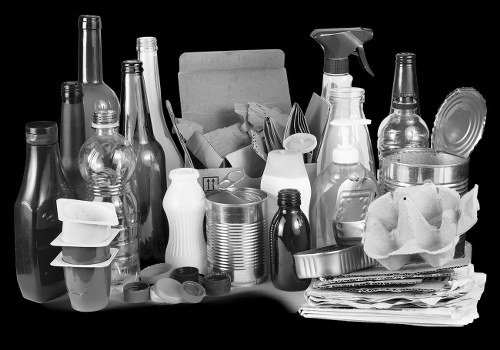
When it comes to builders waste clearance in Wanstead, ensuring efficient and responsible disposal of construction debris is crucial. Whether you're renovating your home or undertaking a large-scale construction project, proper waste management not only maintains the aesthetic appeal of your surroundings but also contributes to environmental sustainability.
Wanstead, known for its vibrant community and charming residences, places a strong emphasis on maintaining cleanliness and orderliness. Builders and homeowners alike must adhere to local regulations and best practices when it comes to disposing of waste generated from construction activities.
In this comprehensive guide, we'll explore the various aspects of builders waste clearance in Wanstead, including the types of waste, regulatory requirements, and the benefits of hiring professional services.
Types of Builders Waste
Understanding the different types of waste generated during construction is the first step in effective waste clearance:
- Concrete and Masonry: Leftover concrete, bricks, and other masonry materials.
- Wood Debris: Offcuts, pallets, and untreated wood waste.
- Metal Scraps: Pieces of steel, aluminum, and other metals.
- Drywall and Plaster: Damaged or excess drywall sheets and plaster.
- General Debris: Mixed waste including packaging materials and other non-recyclable items.
Recyclable vs. Non-Recyclable Waste
Proper segregation of waste is essential. Recyclable materials such as metal, wood, and certain plastics can be processed and reused, reducing the environmental impact. Non-recyclable waste, however, requires careful disposal in accordance with local regulations.
Regulatory Requirements in Wanstead
Complying with local regulations ensures that your waste clearance process is legal and environmentally responsible. In Wanstead, several key regulations must be followed:
- Waste Classification: Properly categorizing waste to determine the appropriate disposal method.
- Licensing: Ensuring that waste clearance services are licensed and accredited.
- Environmental Protection: Adhering to guidelines that protect the local environment from pollution and contamination.
- Recycling Mandates: Maximizing the recycling of materials to minimize landfill use.
Penalties for Non-Compliance
Failure to comply with waste disposal regulations can result in hefty fines and legal repercussions. It's imperative to stay informed and ensure that all waste clearance activities meet the required standards.
Benefits of Professional Builders Waste Clearance
Hiring professional builders waste clearance services in Wanstead offers numerous advantages:
- Efficiency: Professionals can handle large volumes of waste swiftly and effectively.
- Safety: Proper handling and disposal of hazardous materials reduce risks.
- Environmental Responsibility: Ensuring that recyclable materials are processed correctly.
- Cost-Effective: Avoiding potential fines and reducing the need for multiple disposal trips.
- Compliance: Guaranteeing adherence to all local laws and regulations.
Choosing the Right Service Provider
Selecting a reputable waste clearance company involves considering factors such as their licensing, experience, range of services, and customer reviews. A reliable provider will offer tailored solutions to meet your specific project needs.

Steps to Effective Waste Clearance
Implementing a structured approach to waste clearance ensures smooth and efficient operations. Here are the key steps:
- Assessment: Evaluate the types and quantities of waste generated.
- Segregation: Separate recyclable materials from non-recyclable waste.
- Collection: Gather the segregated waste for disposal.
- Transportation: Move the waste to appropriate disposal or recycling facilities.
- Disposal: Ensure that all waste is disposed of in compliance with regulations.
Best Practices for Waste Management
Adopting best practices such as minimizing waste generation, reusing materials where possible, and maintaining clear documentation can enhance the effectiveness of your waste clearance efforts.
Environmental Impact and Sustainability
Effective waste clearance contributes significantly to environmental sustainability. By reducing landfill usage and promoting recycling, builders can minimize their ecological footprint. Additionally, sustainable waste management practices support the broader goals of the Wanstead community in preserving green spaces and reducing pollution.
Recycling Initiatives
Engaging in recycling initiatives not only benefits the environment but can also provide financial incentives. Many materials can be repurposed or sold, offsetting some of the costs associated with waste clearance.
Community Involvement
Encouraging community involvement in waste management programs fosters a collective responsibility towards maintaining a clean and sustainable environment in Wanstead.
Cost Considerations
Understanding the costs associated with builders waste clearance is essential for budgeting your project effectively. Factors influencing the cost include the volume of waste, type of materials, and the complexity of disposal requirements.
Budgeting for Waste Clearance
Allocating a portion of your project budget to waste clearance ensures that you can manage waste efficiently without unforeseen financial burdens. Working with professionals can also help in providing accurate cost estimates based on your specific needs.
Cost-Saving Tips
- Plan Ahead: Anticipate the amount of waste to streamline collection and disposal.
- Reuse Materials: Identify opportunities to reuse materials, reducing the volume of waste.
- Choose Recyclers: Opt for services that prioritize recycling to lower disposal costs.
Conclusion
Efficient builders waste clearance in Wanstead is vital for the success of any construction or renovation project. By understanding the types of waste, adhering to regulatory requirements, and leveraging professional services, builders can ensure responsible and effective waste management.
Prioritizing environmental sustainability and community well-being not only enhances the quality of life in Wanstead but also contributes to the broader goals of conservation and responsible resource usage.
Take Action Today
Don't let waste clearance become a hassle. Contact us today to schedule your builders waste clearance service in Wanstead and ensure your project remains clean, compliant, and environmentally friendly.